Teaching
Creating learning environments where children feel valued, challenged, and inspired to grow.
Explore My Teaching Approach
My Philosophy
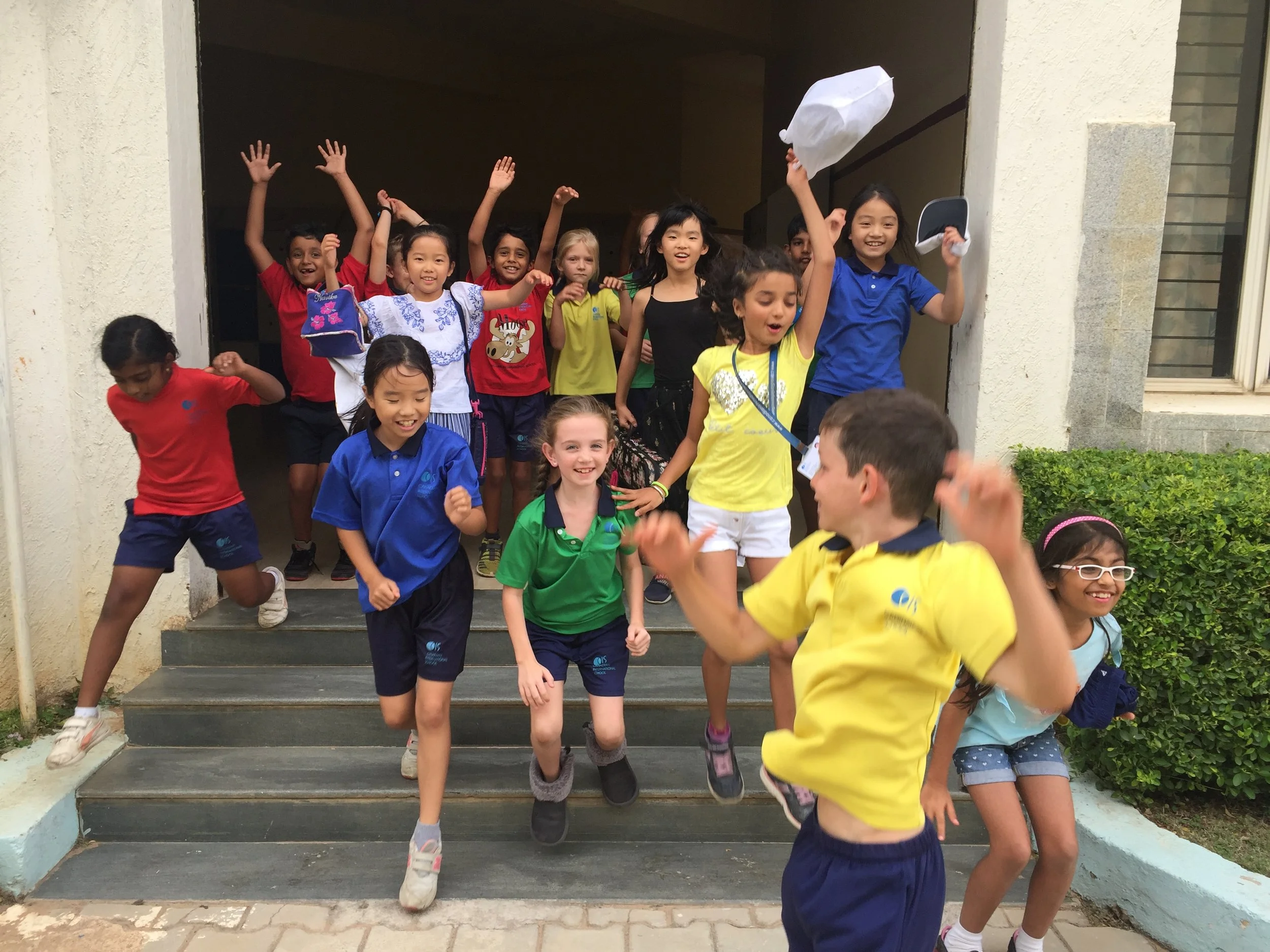
I believe every child is naturally curious and capable of learning when they feel safe, valued, and connected. My role as an educator is to create meaningful learning experiences that inspire children to ask questions, think critically, collaborate with others, and develop confidence in themselves as learners.
Through inquiry, strong relationships, and responsive teaching, I strive to create an inclusive classroom where every child feels challenged, supported, and encouraged to grow at their own pace. By recognising each learner's unique strengths, interests, and needs, I aim to foster independence, resilience, and a lifelong love of learning.
I believe meaningful learning cannot be rushed. Every child follows a unique path and deserves the time, support, and encouragement to grow with confidence. My goal is to create an environment where children feel safe to explore, ask questions, take risks, learn from mistakes, reflect on their learning, and celebrate every step of their progress.
Building Meaningful Relationships
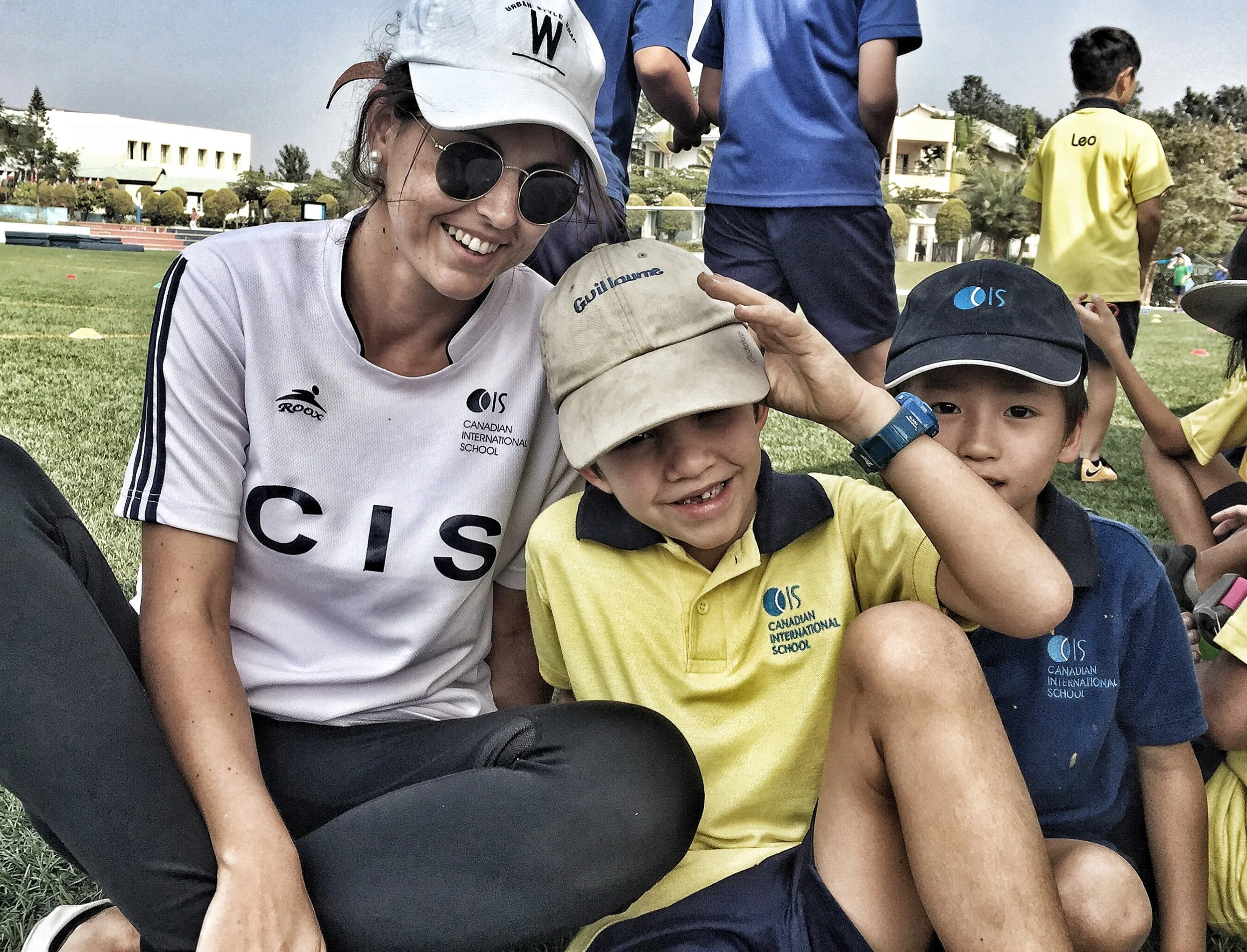
Meaningful relationships are the foundation of successful learning. Before children are ready to take academic risks, they need to feel seen, heard, and valued. I take the time to build trusting relationships with each child by learning about their interests, strengths, challenges, and individual personalities.
In my classroom, this begins with small daily moments: greeting children warmly, listening carefully to their ideas, noticing their emotions, and creating opportunities for them to share their voice. I use class discussions, morning meetings, one-on-one conversations, and student reflections to better understand who each child is as a learner and as a person.
I also build relationships by connecting learning to students’ interests and experiences. Whether through inquiry projects, student-led learning, collaborative activities, or digital portfolios, I aim to make children feel that their ideas matter. By creating a classroom where every learner feels respected, included, and safe to express themselves, I encourage confidence, resilience, and a genuine sense of belonging.
When children feel known and valued, they are more willing to take risks, ask questions, and grow.
Learning Through Inquiry
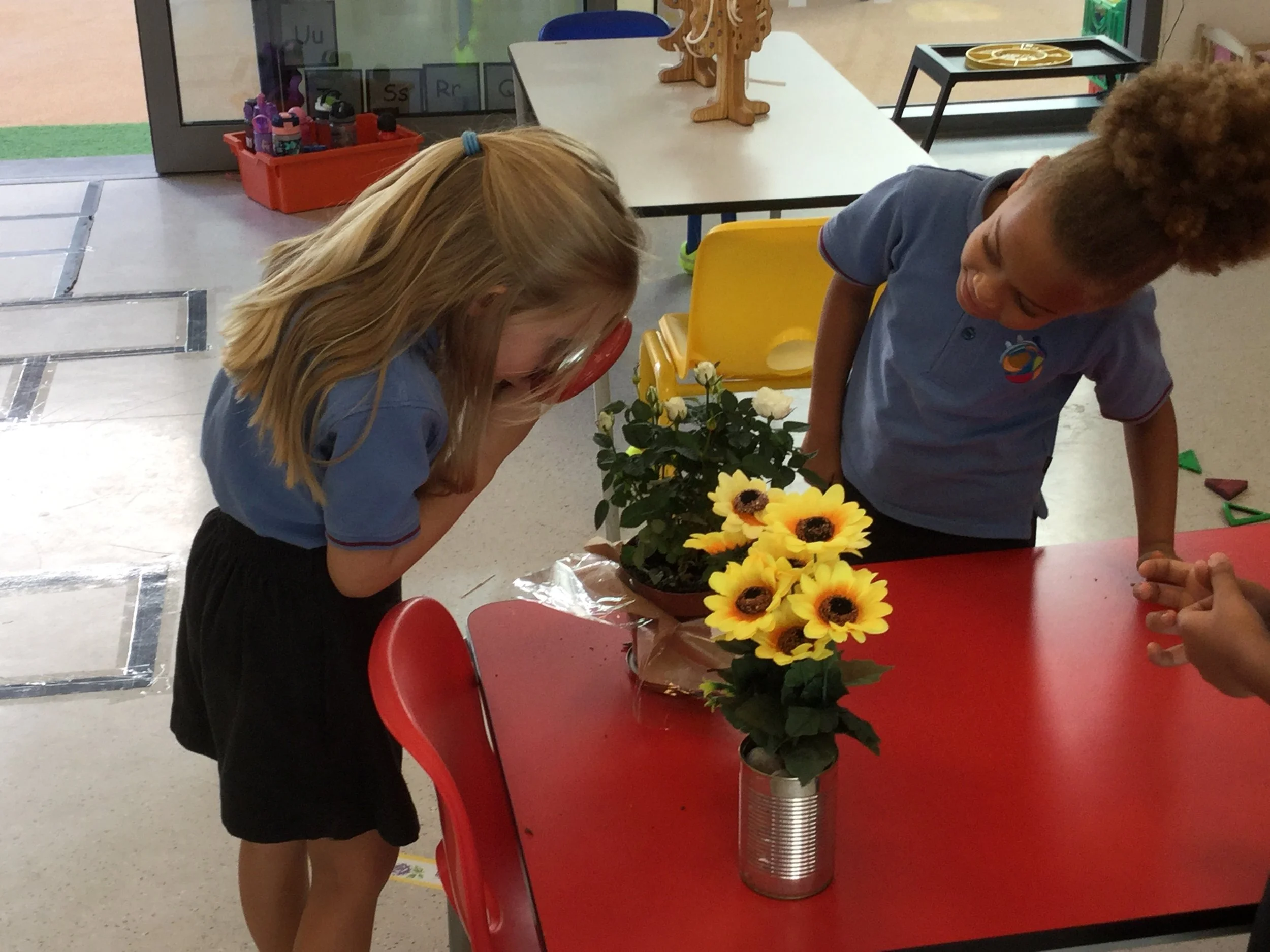
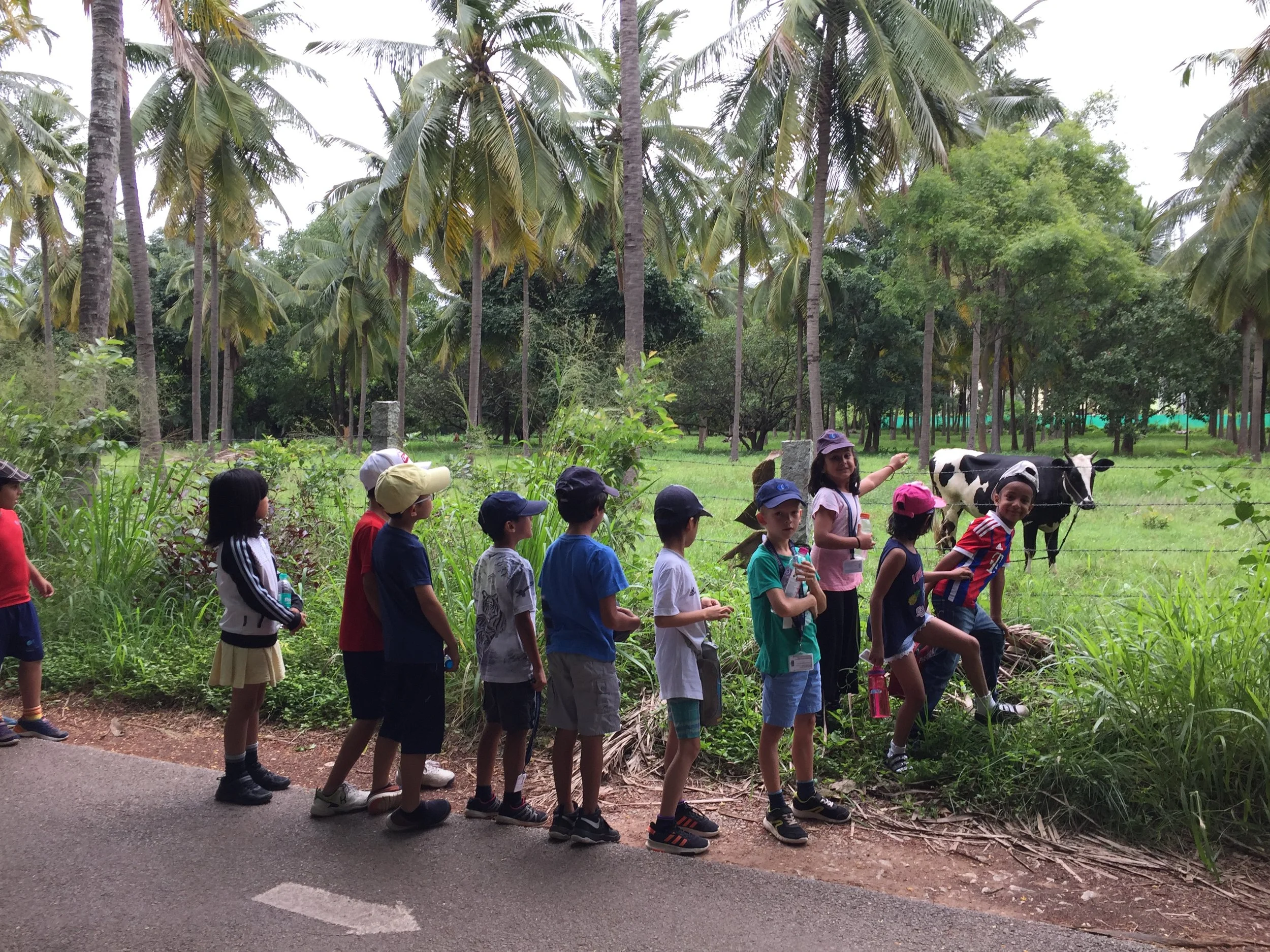
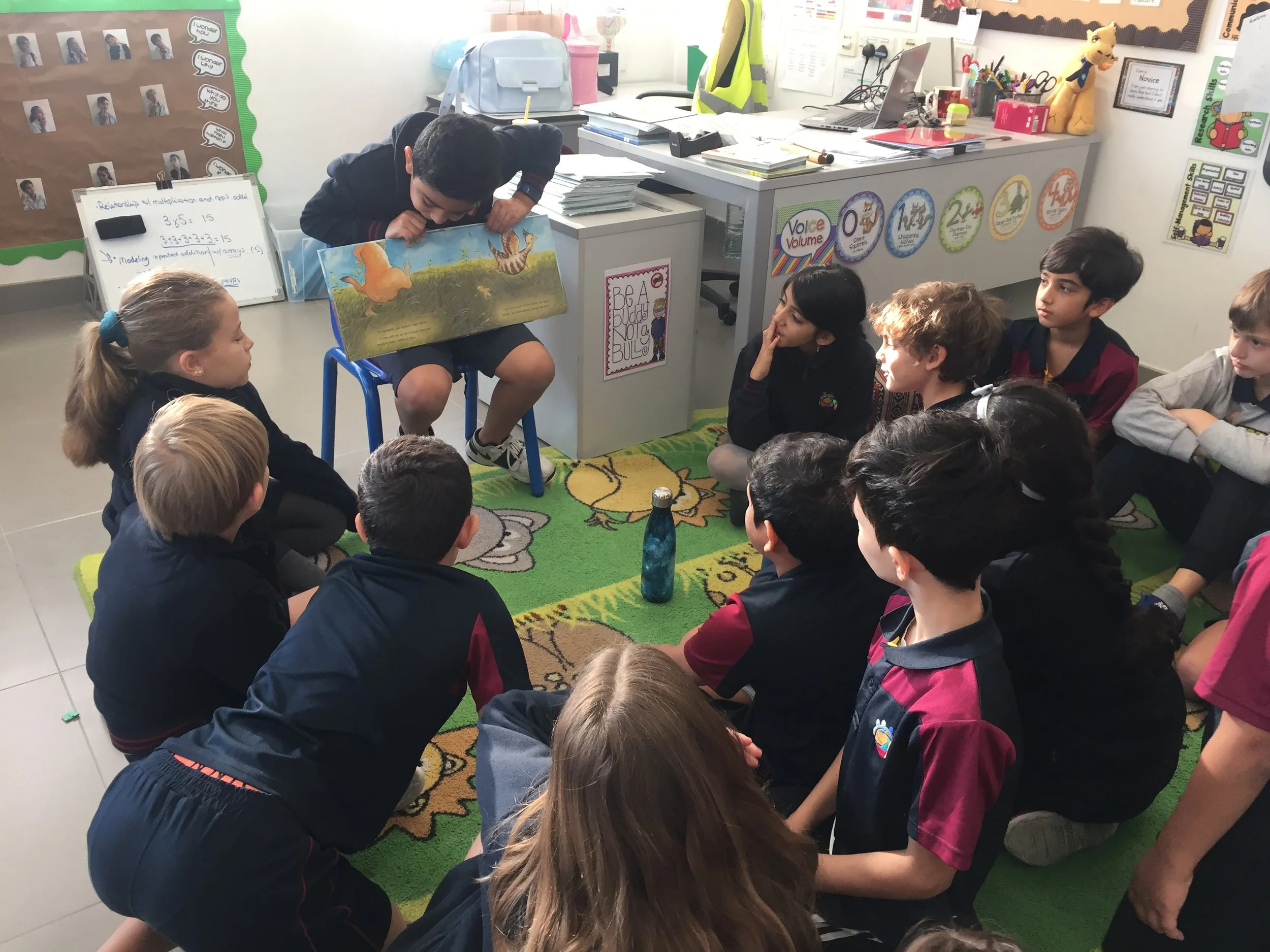
I believe children learn best when they are actively involved in the learning process. Rather than simply providing answers, I encourage students to ask thoughtful questions, investigate ideas, explore different possibilities, and make meaningful connections between their learning and the world around them.
In my classroom, inquiry begins with curiosity. I use provocations, real objects, images, stories, class discussions, and student questions to spark thinking and wonder. Students are encouraged to share what they notice, what they wonder, and what they want to investigate further.
Through inquiry projects, collaborative tasks, research, hands-on exploration, and reflection, students learn to think critically, solve problems, and take ownership of their learning. My goal is to guide them through the process while giving them space to explore, make decisions, and develop confidence as independent learners.
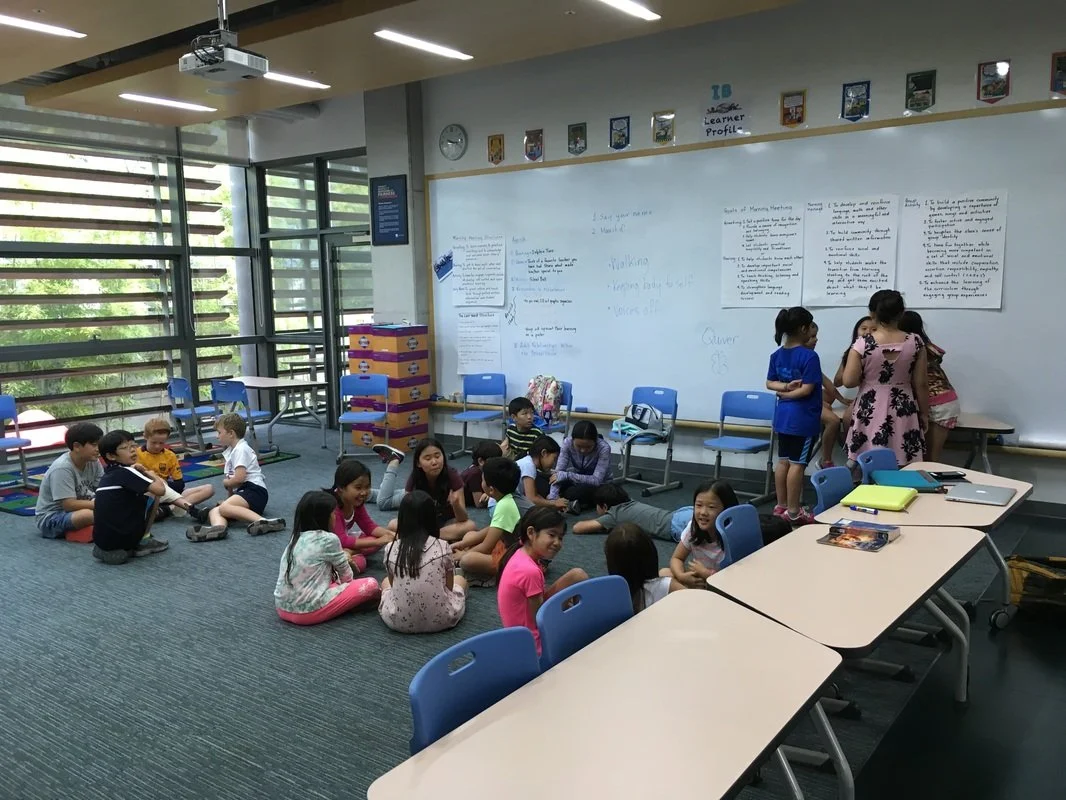
Inquiry allows children to become active participants in their learning, not just receivers of information.
Student Voice & Agency
When students feel ownership of their learning, they become more confident, independent, and engaged.
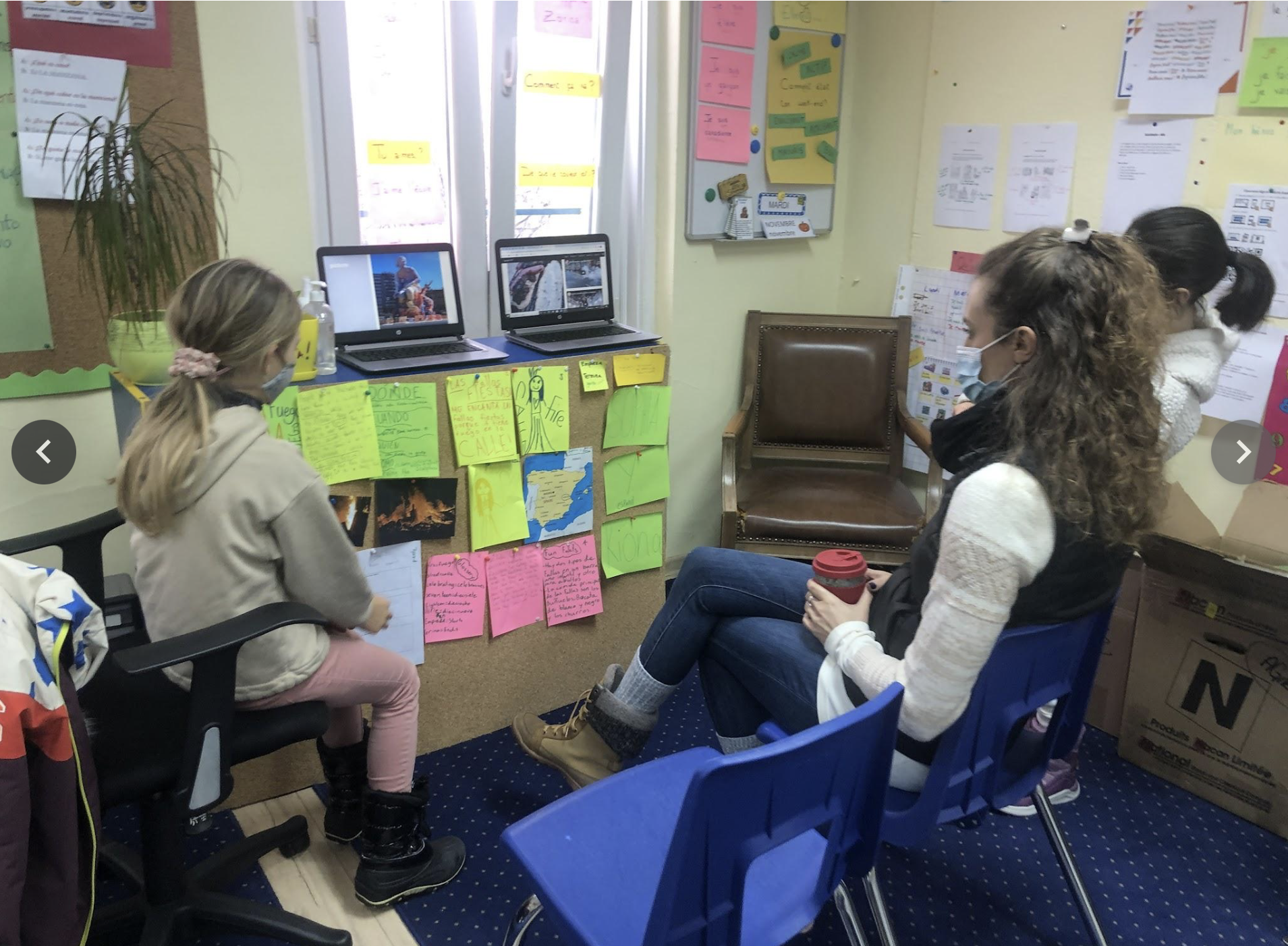
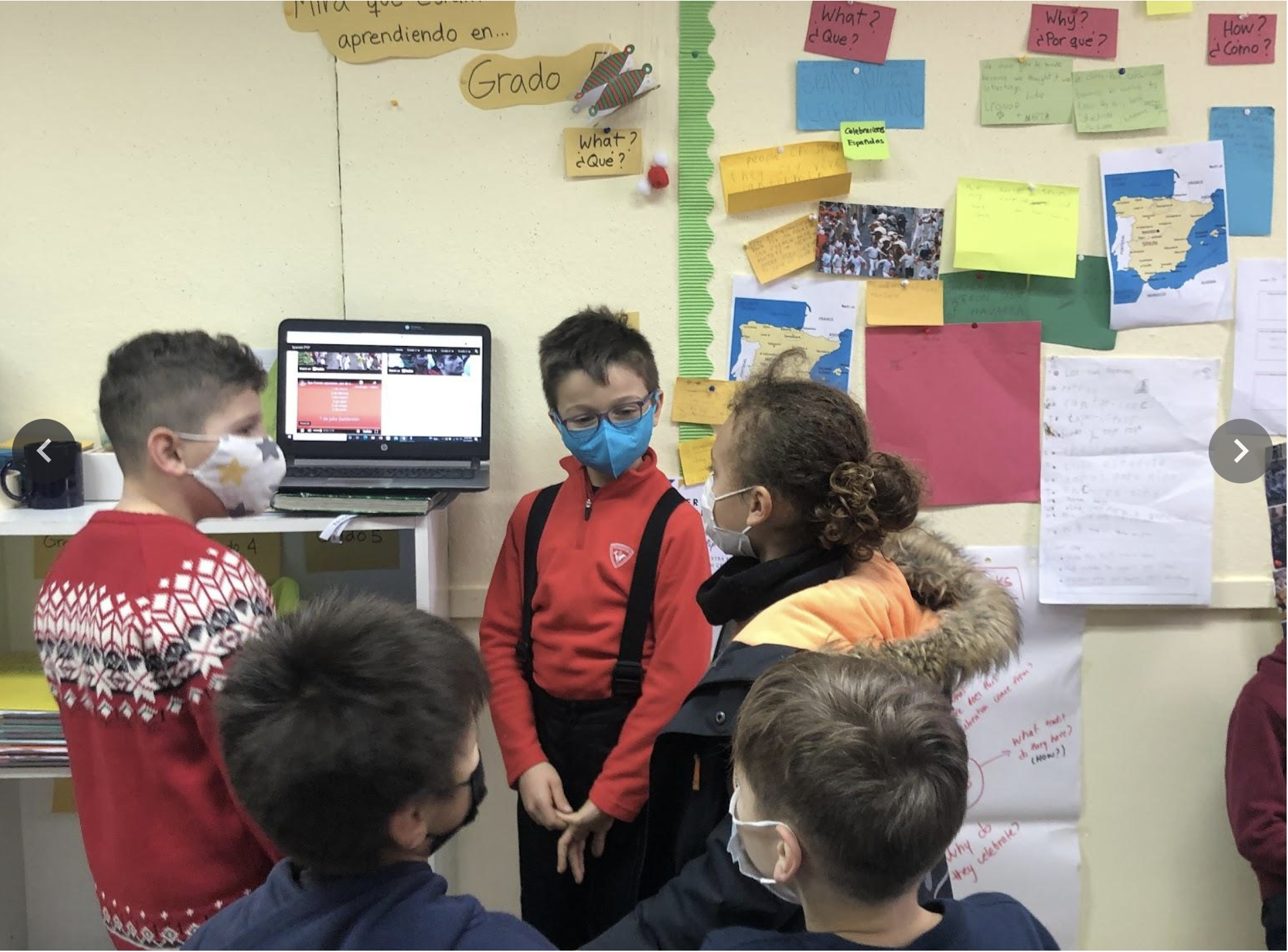
I believe children learn more deeply when they feel ownership over their learning. Student agency begins when students understand that their ideas, questions, choices, and reflections matter.
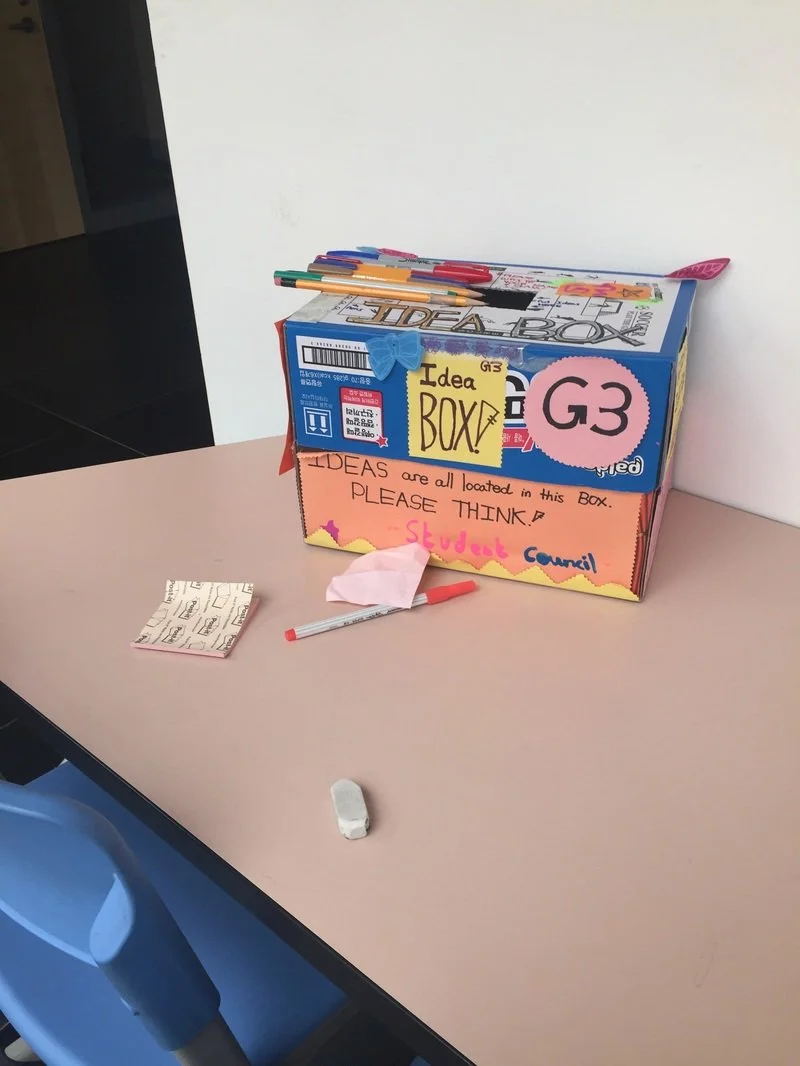
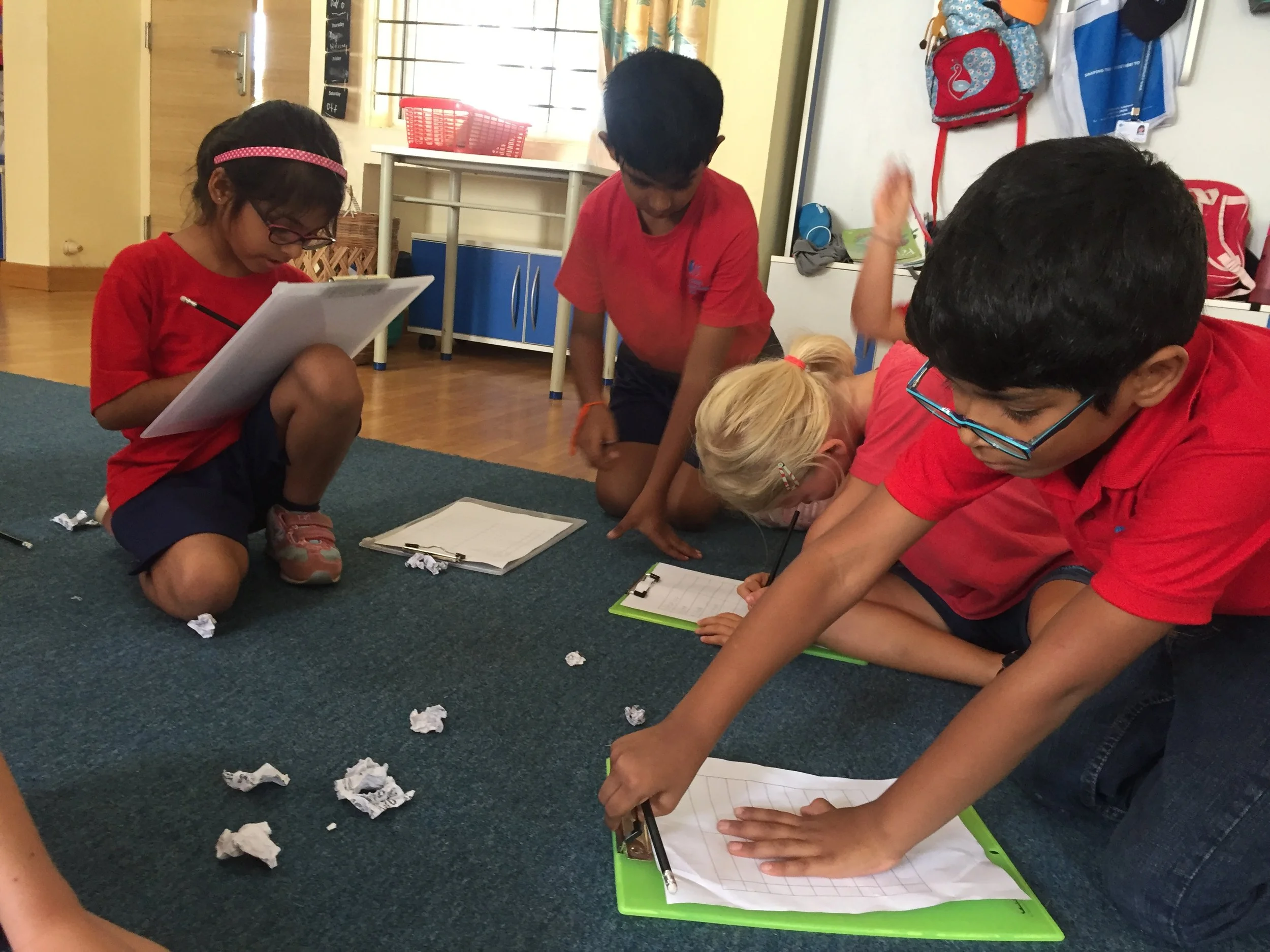
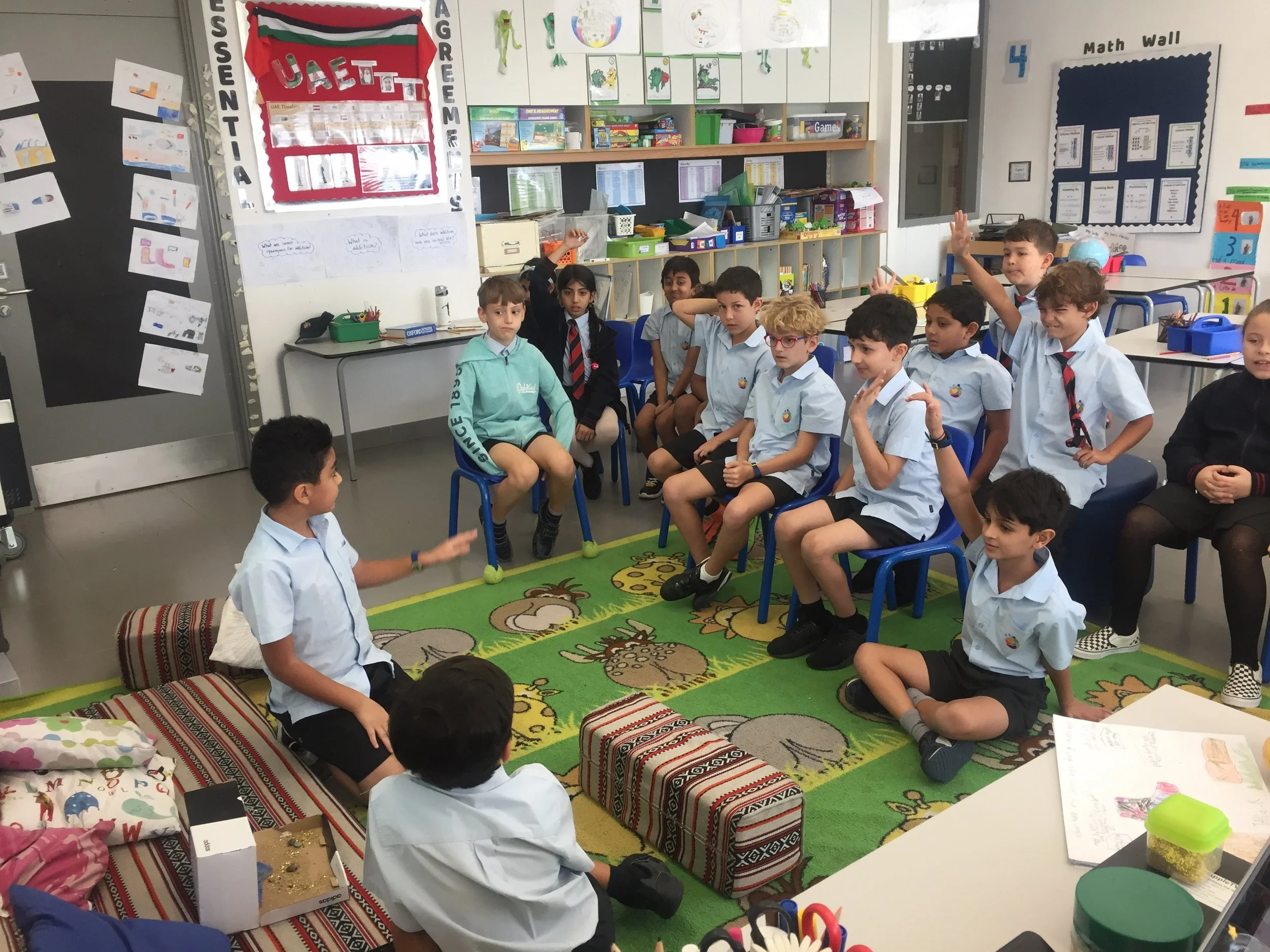
In my classroom, I create opportunities for students to make choices, share their thinking, contribute to class decisions, and take responsibility for their learning. This may include choosing how to show their understanding, helping shape inquiry questions, setting personal goals, or leading parts of their learning through projects and presentations.
By giving students voice and choice, I help them develop confidence, independence, and a stronger sense of purpose as learners.
3. Choice-based learning
Students choosing materials, tools, books, or activities from different options.
4. Student-led projects
Children working independently or in small groups on a project they helped design.
5. Goal-setting or reflection
A photo of students writing learning goals, self-reflections, or choosing next steps.
6. Class decision-making
Students voting, discussing class agreements, or helping decide how to approach a task.
7. Different ways of showing learning
One student drawing, another writing, another building, another recording/presenting—this visually shows choice.
My top choice would be students presenting or explaining their learning because it immediately communicates confidence, voice, and ownership.
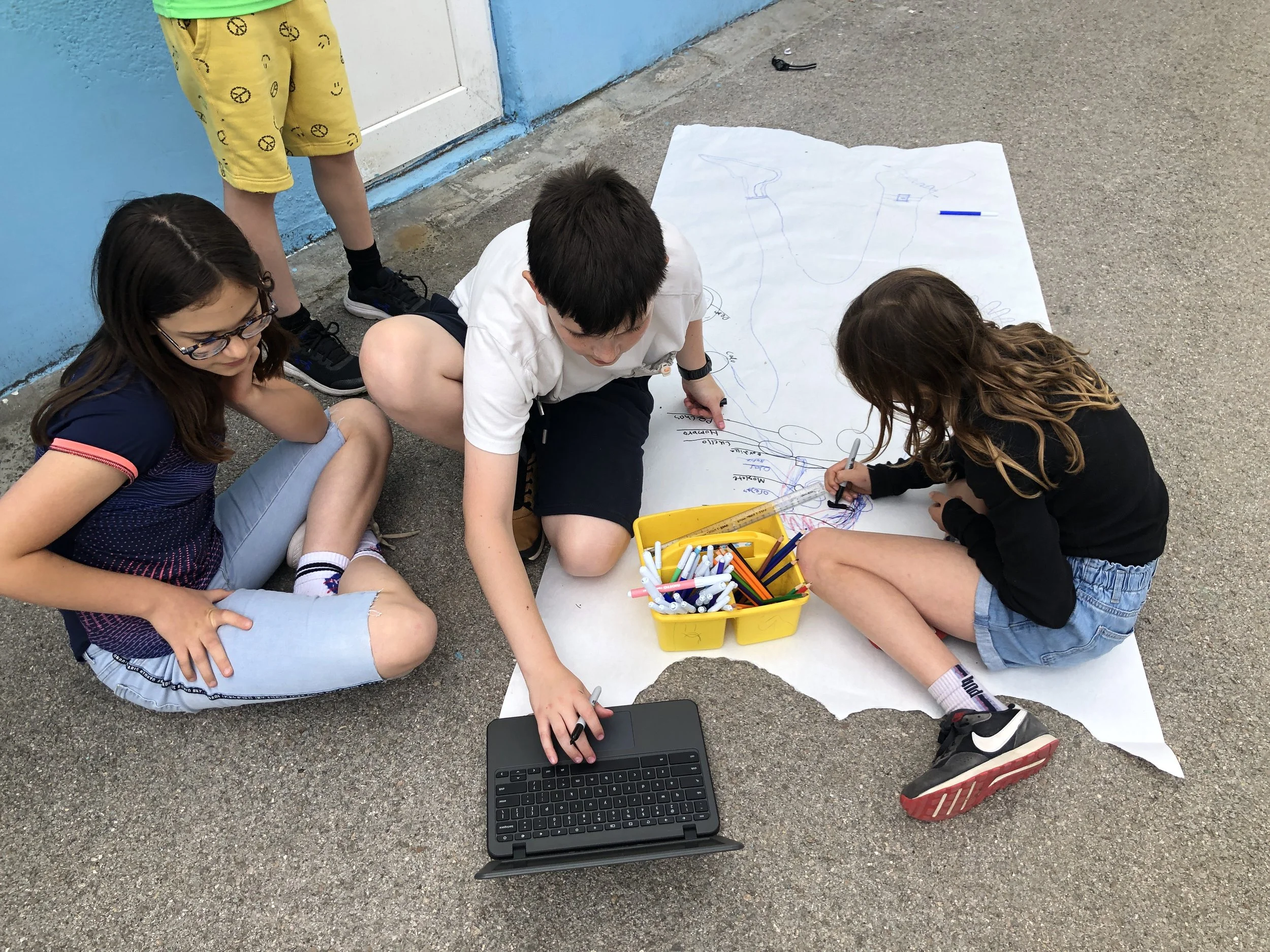
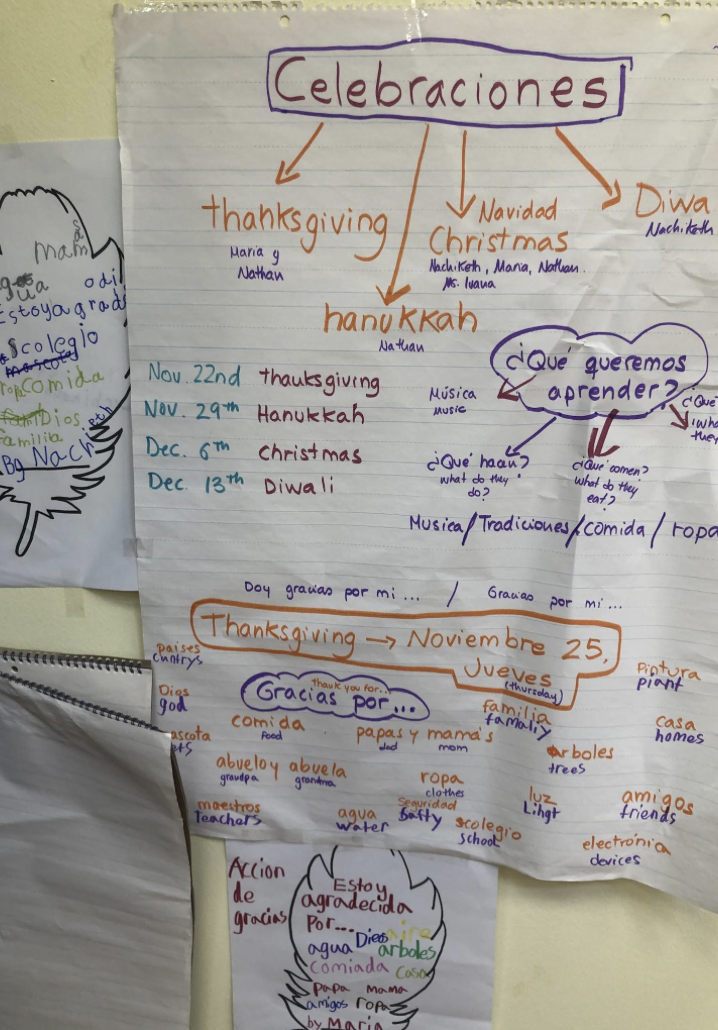
Meeting Every Child Where They Are
Every child learns differently and develops at their own pace. I believe effective teaching begins with careful observation, patience, and a deep understanding of each learner’s strengths, needs, interests, and next steps.
In my classroom, I support students through flexible grouping, small-group instruction, individual conferences, visual supports, hands-on materials, and differentiated tasks. I use ongoing observations, student work, conversations, and assessments to understand where each child is and how I can best support their growth.
I also believe that challenge looks different for every learner. Some children need extra time, reassurance, or scaffolding, while others are ready to extend their thinking and take learning further. My goal is to provide the right balance of support and challenge so that every child can experience success, build confidence, and continue moving forward.
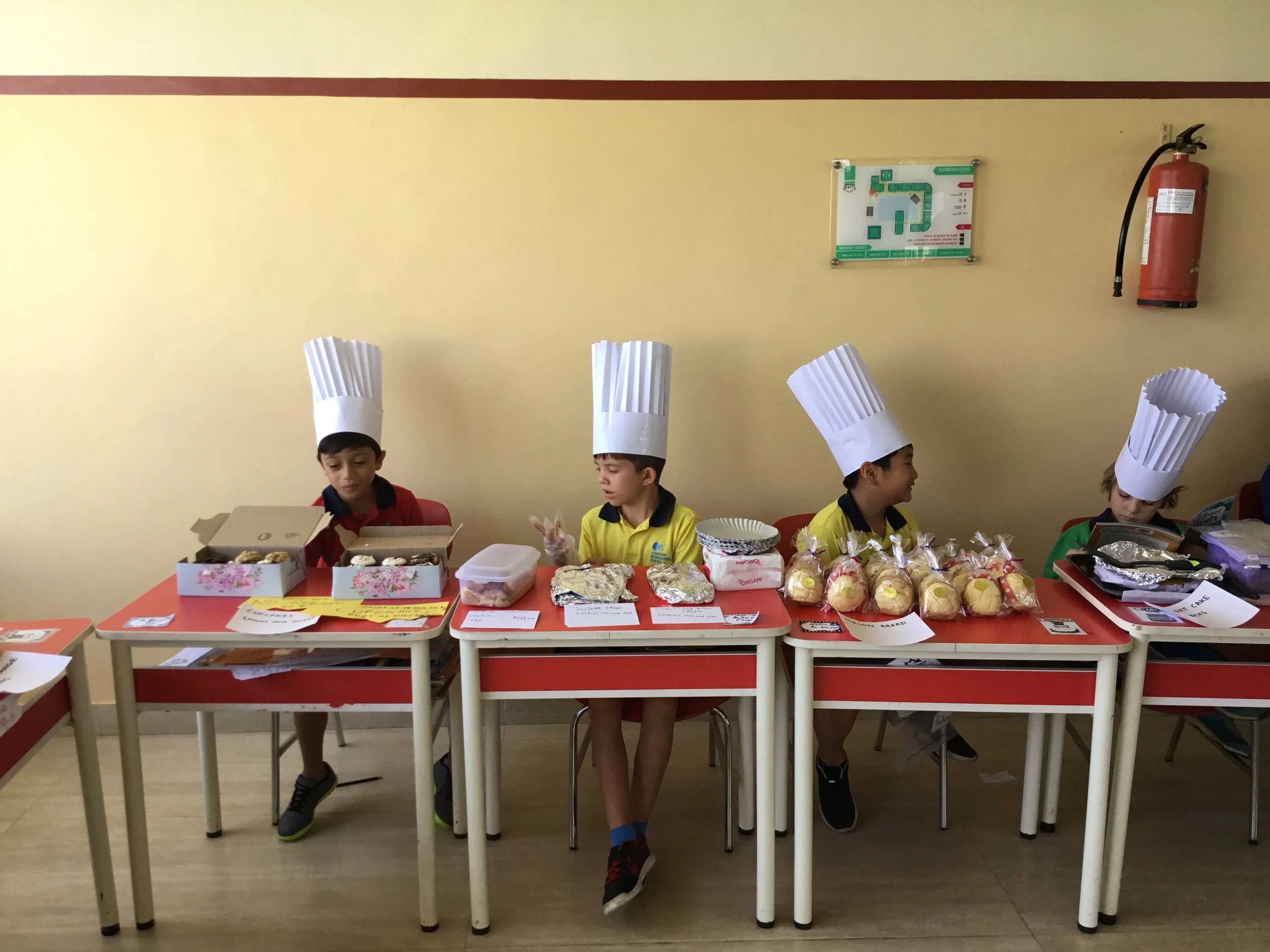
Learning is not a race. Every child deserves the time, support, and encouragement to grow with confidence.
Classroom Culture
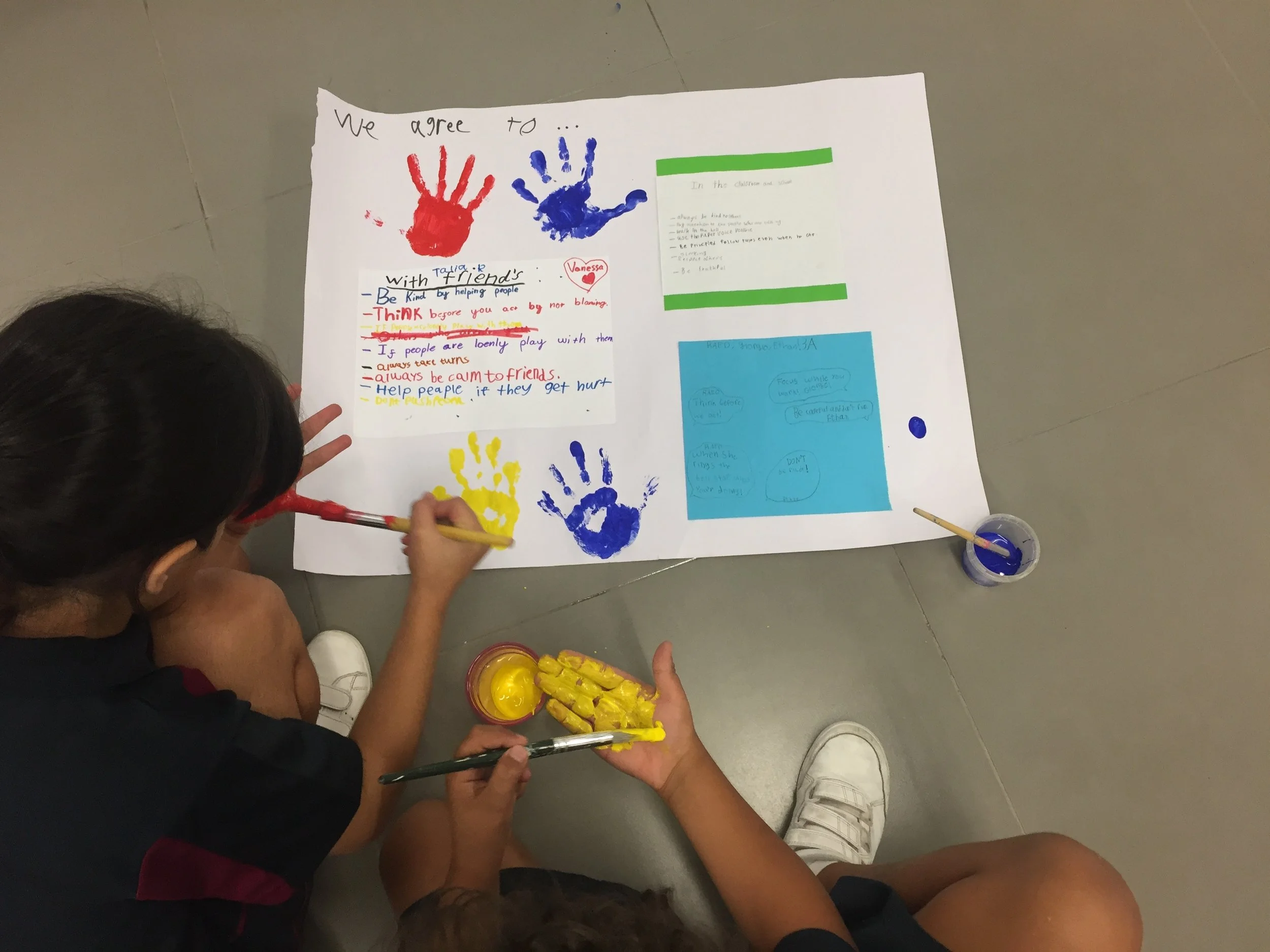
I believe a positive classroom culture is built through trust, consistency, respect, and shared responsibility. Children learn best in an environment where they feel safe to be themselves, express their ideas, make mistakes, and learn alongside others.
In my classroom, I create this culture through clear routines, respectful communication, visual expectations, class agreements, morning meetings, and regular opportunities for reflection. I encourage students to use kind words, listen to one another, solve problems collaboratively, and take responsibility for their choices.
I also believe that strong partnerships with families are essential to building a supportive classroom culture. Parents know their children deeply, and I value open, respectful communication with them. Through regular updates, informal conversations, student-led learning moments, and shared celebrations of progress, I aim to create a connection between home and school where families feel included and children feel supported.
I believe children should feel ownership over their classroom community. Through classroom jobs, student voice, collaborative decision-making, celebrations of learning, and shared responsibilities, students begin to see themselves as important members of the group. My goal is to create a classroom where every child feels they belong and understands that their actions can positively impact others.
A strong classroom culture grows when children, teachers, and families work together with trust, respect, and shared purpose.
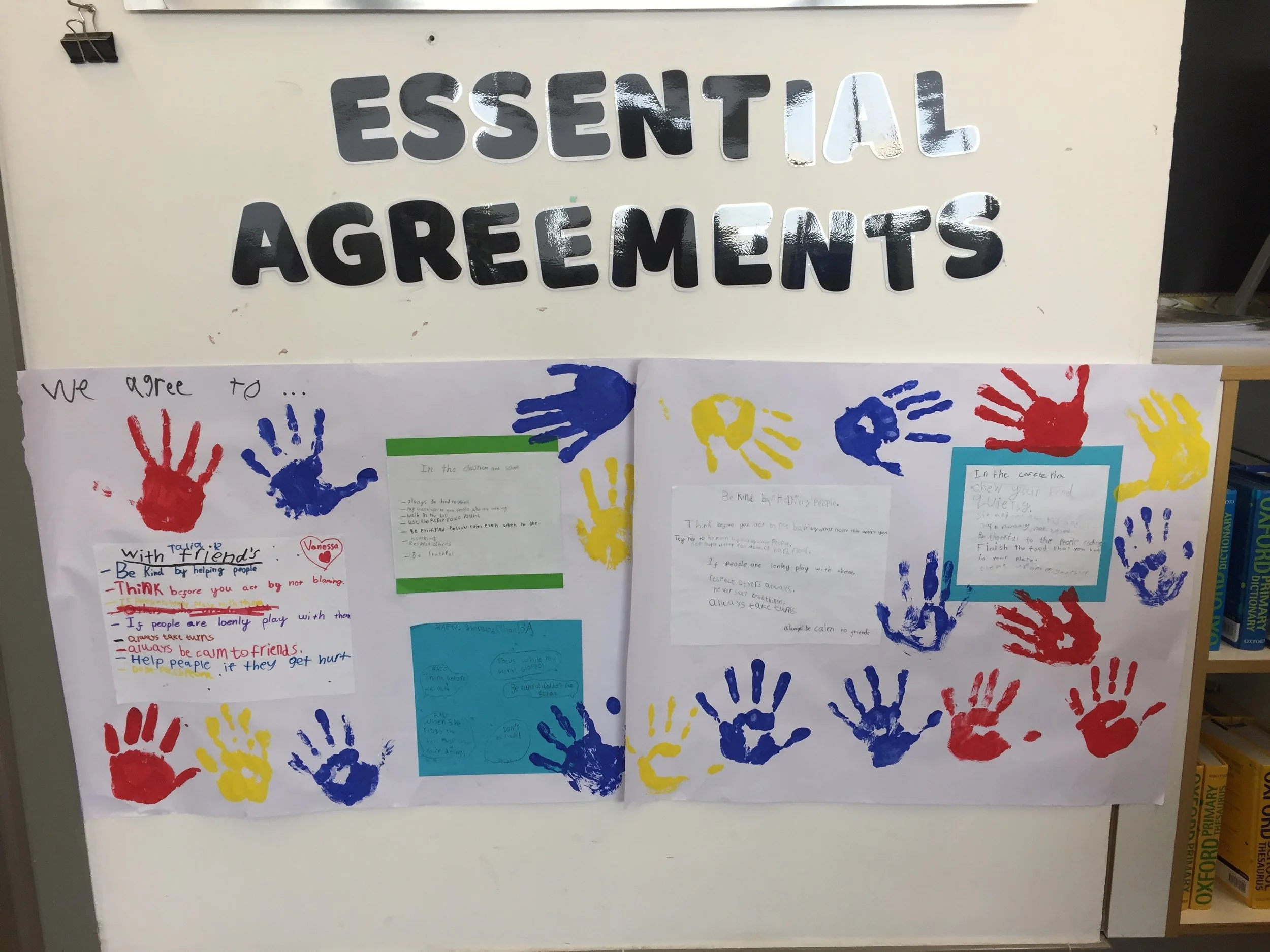
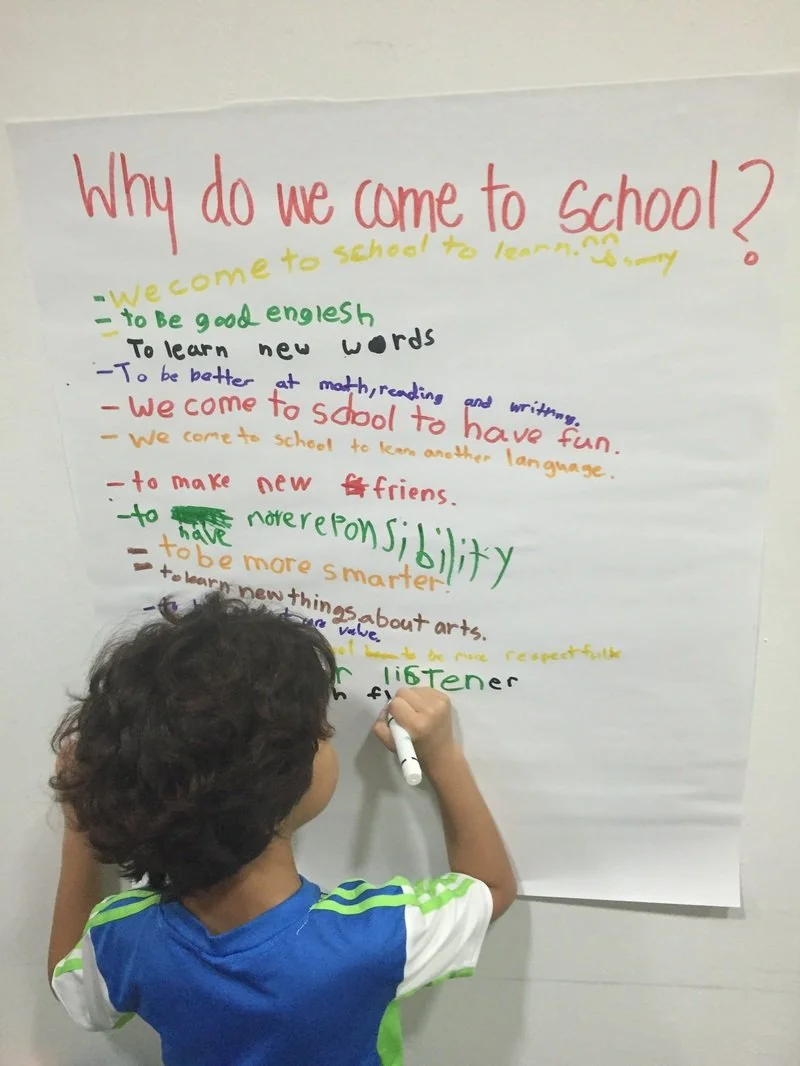
Grade 8 acted as mentors for grade 2, and helped them write the Chapter 2 of the class book, a project in English Class.

Assessment and Reflections
Assessment makes growth visible, helping students understand where they started, where they are now, and where they are going next.
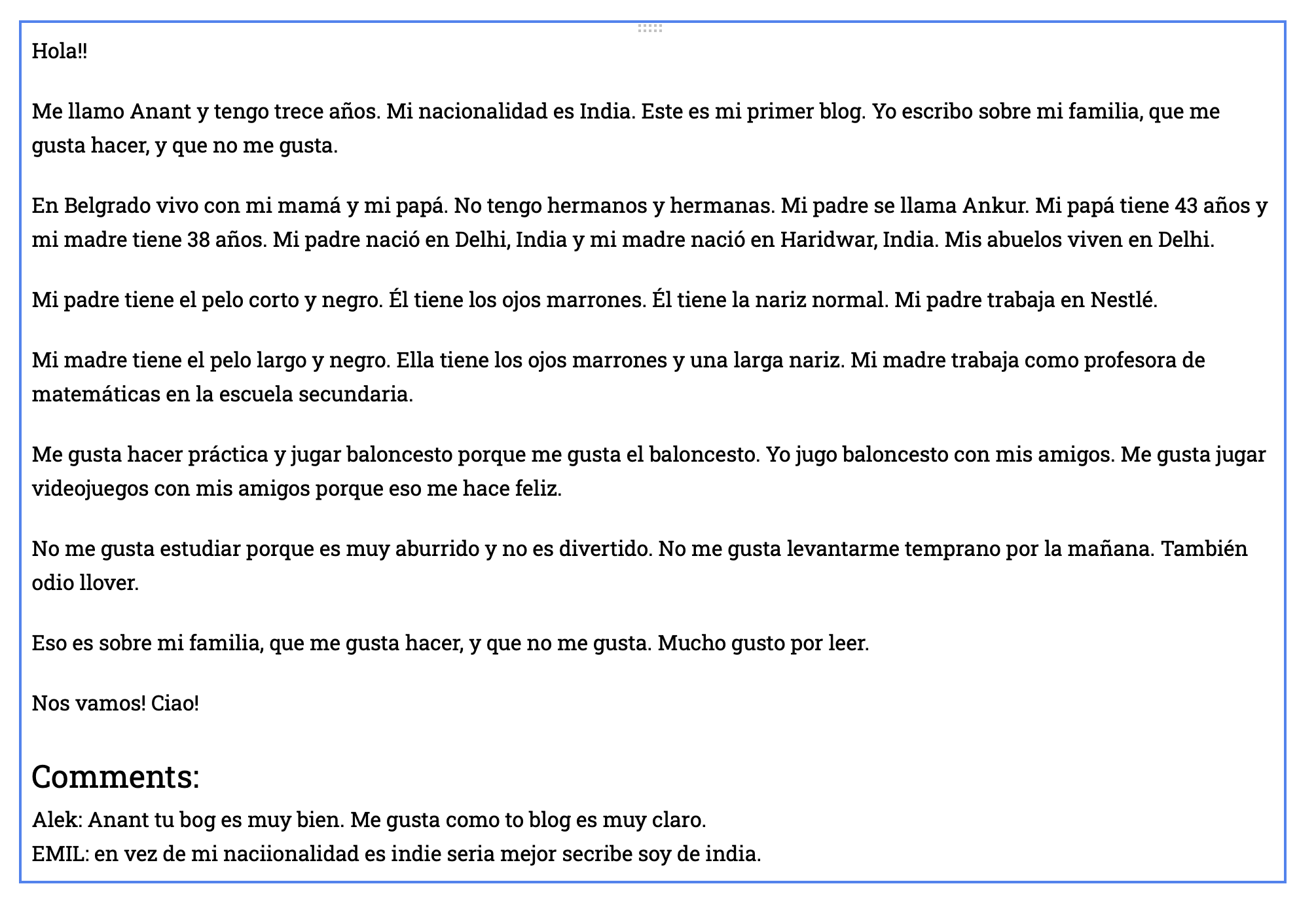
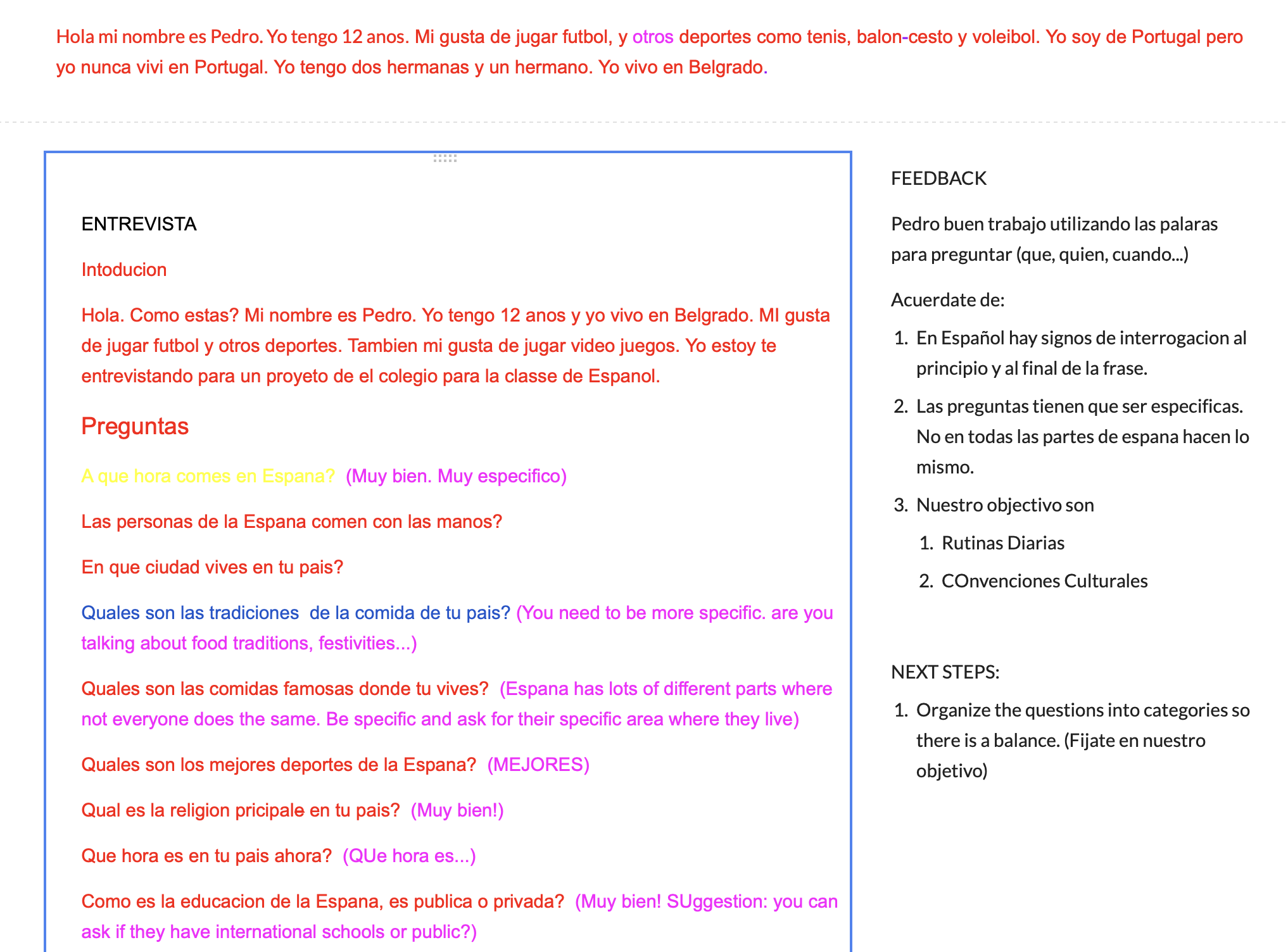
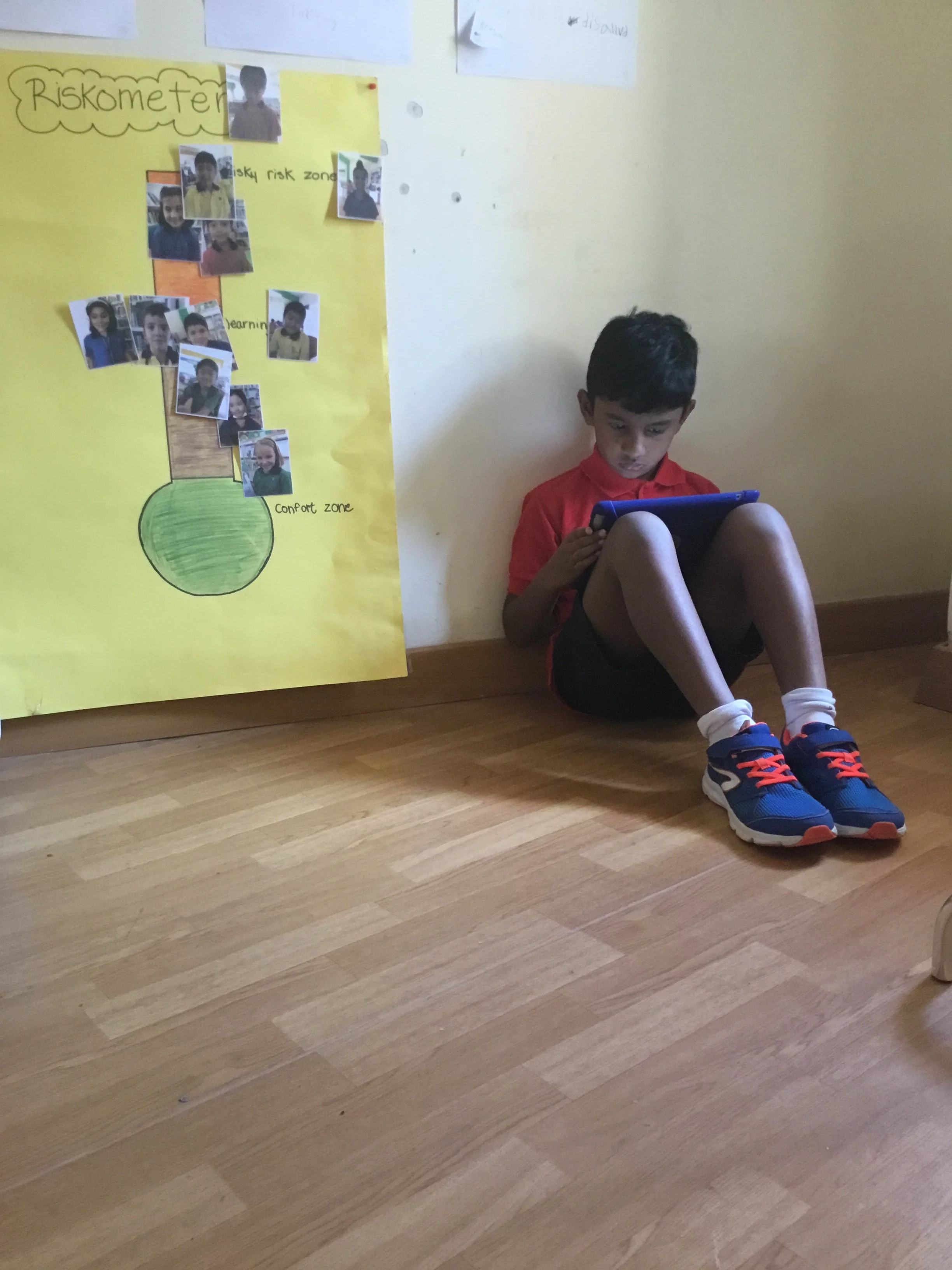
I believe assessment is most meaningful when it helps both teachers and students understand growth, identify next steps, and reflect on the learning process.
In my classroom, assessment happens through observation, conversations, student work, reflections, check-ins, peer assessment, rubrics, and ongoing feedback. I use this information to adjust instruction, support individual needs, and provide the right balance of challenge and guidance.
I also involve students in creating rubrics and success criteria so they understand what quality work looks like. We often use colour-coded rubrics to make expectations clear and visual. Each colour represents a different level of achievement, allowing students to see what they are working towards, choose the level they are aiming for, and understand how their work will be assessed.
Through self-assessment, peer feedback, conferences, and digital portfolios, students become more aware of themselves as learners. My goal is for assessment to feel transparent and supportive, helping students take ownership of their growth and feel confident in their next steps.
Global Learning and Real World Connections
Having lived and taught in different countries, I believe education should help children see themselves as part of a wider world. My international experience has shaped the way I teach, helping me create learning experiences that encourage curiosity, open-mindedness, empathy, and respect for different perspectives.
In my classroom, I connect learning to real-life experiences whenever possible. This may include exploring global issues through units of inquiry, connecting classroom learning to students’ own cultures and backgrounds, using stories and images from around the world, or encouraging children to compare, question, and reflect on different ways of thinking.
I also value opportunities for students to learn beyond the classroom. Through field trips, community connections, collaborative projects, guest speakers, and hands-on experiences, children begin to understand that learning is meaningful and connected to the world around them.
My goal is to help students become thoughtful, compassionate, and internationally minded learners who are curious about the world and confident in their ability to contribute to it.
Learning becomes more meaningful when children can connect it to themselves, their communities, and the world around them.
Photo ideas:
field trips
multicultural classroom activities
students working on inquiry projects
maps/globes
community visits
international displays
collaborative group projects
We designed stickers and made a fund raiser to "adopt an animal" in WWF. Science Class
and the Indian cinderella
Technology Integration
Technology is most powerful when it helps students access, organize, connect, reflect, and take ownership of their learning.
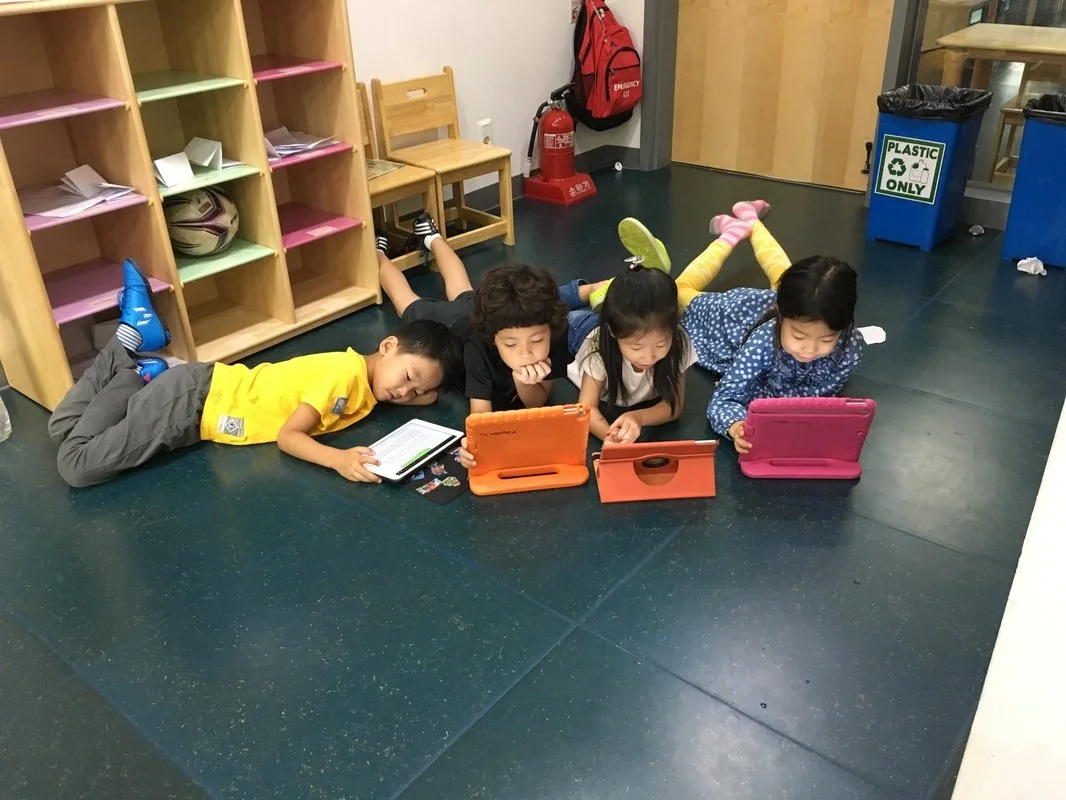
I believe technology should be used with intention: not as a replacement for meaningful teaching, but as a tool to enhance learning, creativity, communication, and reflection.
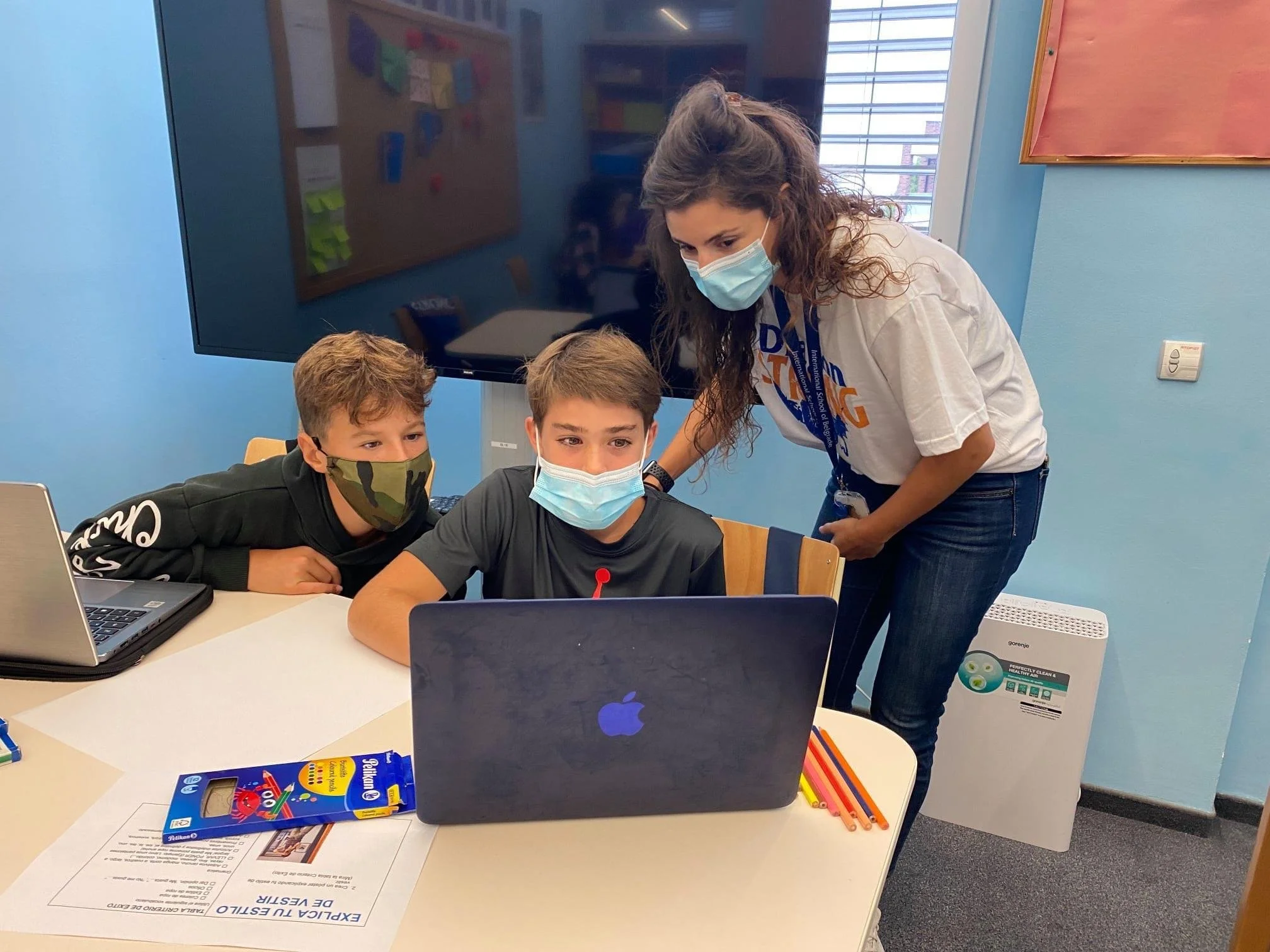
In my classroom, I use digital tools to support differentiation, student voice, and ongoing assessment. Platforms such as Showbie, IXL, Seesaw, and classroom websites help students practise at their own level, access resources, reflect on their progress, and take ownership of their learning.
I also create digital learning hubs where students can revisit content, access links and learning materials, and follow visual timelines that show where we are in a unit, what we have covered, and where we are going next. These spaces help students stay organised, make connections, and prepare for upcoming learning.
Technology also allows students to connect with people, ideas, and real-world problems beyond the classroom. Through research, collaboration, digital portfolios, and shared projects, students can see their learning as part of a wider world.
My goal is to help children use technology responsibly, creatively, and confidently while keeping relationships, hands-on learning, and real-world experiences at the centre of the classroom.